
For Charlotte families, summer means sunshine and cookouts. And sweet tea.
Whether you're enjoying a backyard barbecue, watching a youth baseball game, or just cooling off, nothing beats a big glass of this Southern staple. Unfortunately, while sweet tea is refreshing to your body, it’s not as friendly to your teeth. That doesn't mean you need to swear off sweet tea. But understanding how it affects tooth enamel can help you enjoy this classic summer beverage (or any other sugary drinks) without impacting your oral health.
Why Sweet Tea Is Harder on Teeth Than Many People Realize
Many people assume that sweet tea is a healthier alternative to soft drinks. While it may contain fewer additives than most sodas, sweet tea presents similar challenges for your teeth.
The most obvious is sugar. Traditional Southern sweet tea contains a significant amount of added sugar, sometimes enough to rival the amount found in soft drinks. And every time you take a sip, it feeds the naturally occurring bacteria in your mouth.
According to public health guidance from the North Carolina Dental Society, oral bacteria feed on sugars and produce acids that attack tooth enamel. These acid attacks can continue for approximately 20 minutes after consumption. Repeated sipping throughout the day refreshes this cycle, keeping enamel under constant or prolonged duress.
But sugar is only part of the story.
The Sugar-Acidity Double Threat
While generally less acidic than many sodas and sports drinks, black tea itself contains naturally occurring acids. Combining this acidity with added sugar creates a situation where enamel faces multiple challenges simultaneously.
As bacteria metabolize sugar, they generate additional acids. This process can contribute to demineralization, during which important minerals are gradually pulled from the enamel surface. Long-term, demineralization increases the likelihood of:
- Cavities
- Tooth sensitivity
- Enamel erosion
- Surface staining
- Needing restorative treatment
This doesn't happen overnight, but daily habits accumulate faster than many patients realize.
Why Sipping All Day Is Worse Than Drinking It All at Once
From a dental perspective, frequency matters more than quantity. A big mistake people make is turning sweet tea into an all-day beverage. Drinking a glass of sweet tea with lunch exposes your teeth to sugar and acids for a limited period. Slowly sipping from a giant insulated tumbler for six or eight hours is a very different story.
Each sip effectively restarts the process. Instead of allowing saliva to neutralize acids and begin repairing enamel, frequent sipping keeps the mouth in an acidic state throughout the day. This constant exposure is one reason dentists encourage patients to enjoy sweetened beverages during meals rather than carrying them around for hours.
Summer Habits That Make the Problem Worse
Sweet tea often accompanies several other summer treats that can threaten oral health, including:
- Ice cream
- Lemonade
- Barbecue sauces
- Sports drinks
- Sweet, fair and festival snacks
Beyond cavity risk, these foods and beverages have a dehydrating effect. When hydration decreases, saliva production may also decline, reducing your natural defenses when they're most needed. Saliva serves as one of the mouth's most important protectors, washing away food particles, neutralizing acids, and delivering minerals that support enamel health.
What About Unsweetened Tea?
Unsweetened tea is generally a more tooth-friendly option. Without added sugar, oral bacteria have significantly less fuel available for acid production. Removing the sugar component dramatically reduces one of the primary drivers of cavity formation. For individuals trying to reduce cavity risk while preserving their tea habit, gradually reducing sweetness is a practical first step.
Enjoying Sweet Tea Safely
The goal is not to abandon sweet tea, but to control its impact on your teeth. Several simple strategies can make a meaningful difference. First, drink sweet tea with meals rather than between meals. Food helps stimulate saliva production and limits the total number of acid attacks throughout the day. Also, whenever practical, use a straw to reduce direct contact between sweetened beverages and dental surfaces. Regardless of sipping method, however, it's helpful to follow up sweet tea with water. A rinse, or even a few sips, can remove residual sugars and acids.
Finally, avoid brushing immediately afterward. Because enamel may be temporarily softened by acidic exposure, it's generally better to wait about 30 minutes before brushing.
Don't Forget About Tea Stains
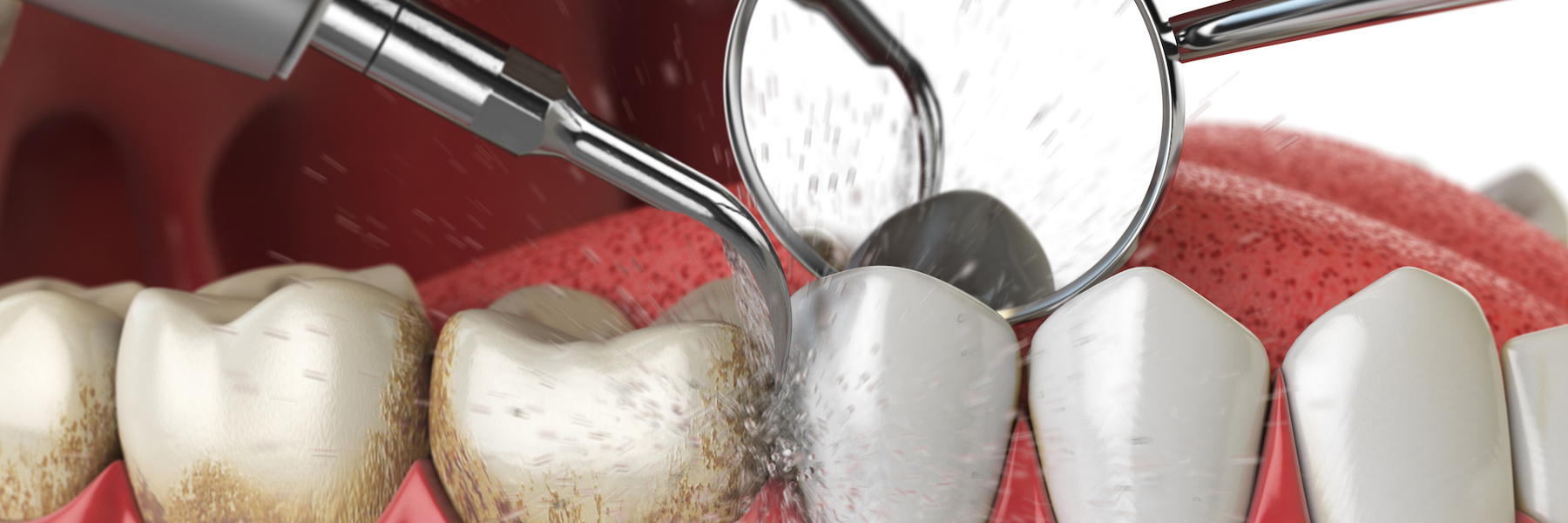
Unfortunately, sweet tea comes with more than just cavity risk. People who drink tea regularly may notice yellowing, darkening, or discoloration of their teeth even if they brush consistently. Over time, the pigments in tea, known as tannins, contribute to staining. Professional cleanings can help remove some external staining, while cosmetic treatments like professional whitening can help improve the appearance of deeper discoloration.
Children and Sweet Tea: An Overlooked Concern
It's important to understand that sweet tea can be more damaging to children's teeth than to their parents'. Why?
Young enamel is still developing and can be more susceptible to damage (or hypoplasia) from frequent sugar exposure. Plus, kids don’t just sip sweet tea throughout the day; they usually pair it with other sugary snacks.
Again, parents don't need to eliminate sweet tea. Focusing instead on moderation and timing is often more effective. Also, encouraging water as the primary beverage (and after sweet tea) is an effective preventive strategy.
 Protecting Your Smile All Summer Long
With proper hydration, good oral hygiene, moderate sipping, and regular dental visits, you can reduce your risk while still enjoying a refreshing Southern classic. After all, summer should be about enjoying the things you love, not developing dental problems!
Promoting Healthy Summer Smiles in Charlotte
If you're in Charlotte and want to learn more about protecting your enamel and preventing cavities with smart dietary choices this summer, contact Dr. H. Justin Harlow and the caring, skilled Harlow Dental team to schedule a consultation.